
How to Lead High Achievers at Work Without Micromanaging or Burning Them Out
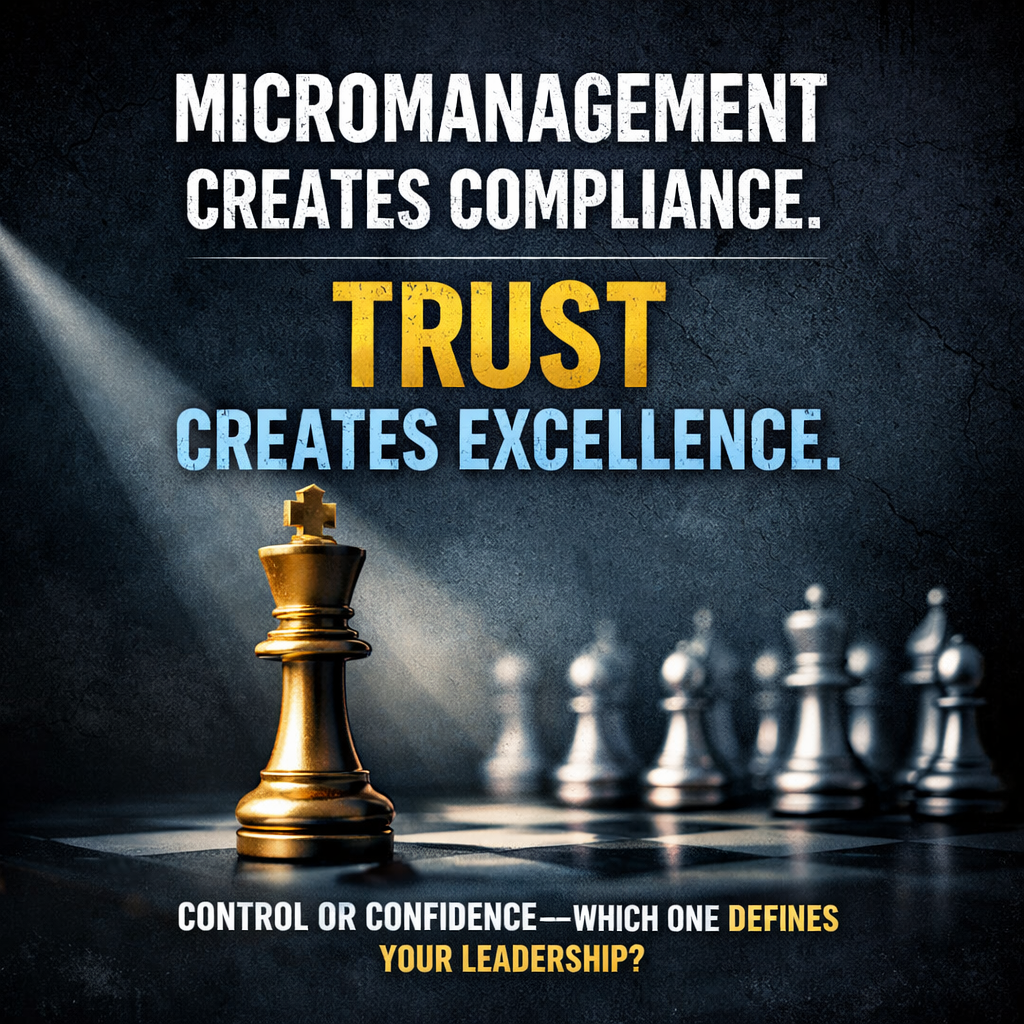
High achievers can transform an organization. They move quickly, set ambitious goals, and push past obstacles that stop others in their tracks. When led well, they raise the standard for everyone around them. When led poorly, they become frustrated, disengaged, or quietly start looking for another opportunity.
Leading high achievers requires a different mindset than traditional management. It demands clarity, trust, and emotional steadiness more than control. Leaders who understand this difference build teams that perform at a high level for the long haul.
Understanding the High Achiever Mindset
I am a high achiever. If something needs to be done, I will work until it is finished. If I do not understand something, I will study it, ask experts, test ideas, and experiment until I figure it out. High achievers are wired this way. We are internally driven. We do not need constant reminders to perform; we need space to execute.
Many leaders misunderstand this internal drive. They assume oversight equals support. In reality, too much oversight slows momentum and erodes trust. High performers thrive when given a clear objective, a deadline, and the autonomy to deliver.
When Leadership Training Becomes Micromanagement
At one point in my career, I worked for a manager who loved leadership courses and books about leadership. He believed this made him an exceptional leader. To his credit, he did many things well. He was organized and built solid processes. Structure was not his weakness.
However, when it came to leading a high achiever, his feathers often got ruffled. He wanted to be included on every email, required permission before nearly every action, and closely monitored details that did not require his involvement. During performance reviews, he would often say, “I am helping you so you can lead people someday.”
The irony was difficult to ignore. I had already led a company, managed multiple teams, and carried significantly more experience in that field than he had. Leadership is a lifelong learning process, and I certainly do not know everything. Still, it felt comical to be told I was being prepared to lead someday by someone who had only a year or two of leadership experience in his life.
The broader organization struggled with his leadership style as well. People were kind and genuinely tried to support him. They encouraged him and attempted to build him up. Even in such a patient workforce, there were occasional flashes of frustration that slipped through. I found myself biting my tongue daily.
Why Micromanaging High Performers Backfires
As someone who is highly driven, I do not respond well to being told exactly how to do my job. Give me the outcome, clarify when it needs to be done, and release me to execute. I will complete the task and likely improve upon the original vision.
Micromanagement slows high achievers down. It introduces unnecessary friction and communicates a lack of trust. Nothing is more frustrating than being hired for expertise while simultaneously being treated as if you cannot be trusted to use it. The unspoken question becomes unavoidable: why hire me if you do not trust me to do the work?
For leaders researching how to manage high performers effectively, this is a critical lesson. High achievers do not resist accountability. They resist control that limits their capacity to produce results.
How to Lead High Achievers Effectively
Leading high achievers successfully begins with separating identity from output. High performers often tie their worth to results. Wise leaders reinforce value beyond performance metrics while still holding a high standard. Recognition should include strategic thinking, initiative, and team impact, not just raw output.
Clarity is far more powerful than control. High achievers perform best when expectations are clearly defined and success metrics are measurable. Once the target is established, autonomy becomes the fuel for innovation. Trust accelerates performance. Excessive oversight suffocates it.
Healthy leadership also requires emotional steadiness. Strong-willed employees will challenge ideas and move quickly. Conflict is not the enemy. Poorly managed conflict is. Calm leadership that redirects tension toward shared goals builds respect and cohesion across teams.
Preventing Burnout in High Achievers
Burnout prevention is another essential leadership skill. High achievers often push themselves beyond sustainable limits. They overcommit, hesitate to delegate, and rarely slow down. Leaders must model healthy boundaries and encourage long-term pacing. Celebrating strategic delegation and thoughtful execution sends a powerful message that sustainable excellence matters more than constant hustle.
Retention of top talent depends on this balance. High performance without health is temporary. Organizations that fail to protect their most driven employees eventually lose them.
Building Trust-Based Leadership
Trust sits at the center of effective leadership for high achievers. Trust says, “I hired you because you are capable.” It communicates confidence in judgment, experience, and execution. It replaces surveillance with partnership.
High achievers do not need constant correction. They need clear goals, meaningful challenges, and room to think. When leaders provide that environment, performance multiplies.
The most effective way to lead high achievers at work is surprisingly simple. Define the objective. Set the deadline. Establish guardrails. Then step aside and allow expertise to do what it was hired to do.
Micromanagement breeds frustration. Trust builds momentum. Leaders who understand this distinction unlock not only productivity but loyalty and long-term engagement.
